

Science
Science in service of the movement

Evidence and tradition, together.
Recognizing the Rights of Nature isn't a new idea. Indigenous Peoples and local communities around the world have understood the intrinsic value of Nature for generations. What's new is that legal systems are beginning to catch up. forNature believes Rights of Nature laws are strongest when they're grounded in both rigorous science and Indigenous and local knowledge, and our science program is built around that partnership rather than around science alone.
Our science work is anchored by two collaborations: The Leatherback Project's long-term research and community relationships in Panama, and the National Geographic Society forNature Program, which mobilizes a global community of researchers, conservationists, and National Geographic Explorers to gather the data that Rights of Nature cases depend on.
In partnership with National Geographic.

The questions our scientists help answer are practical ones: How much pollution is too much to protect a healthy, thriving ecosystem? How many individuals does an endangered population need to be genetically viable? What conditions allow a species or ecosystem to regenerate? Answering these questions is what turns the Rights of Nature from a legal principle into an enforceable standard, grounded in what a specific ecosystem or species actually needs, not just in the idea that it deserves protection.
What the evidence shows.
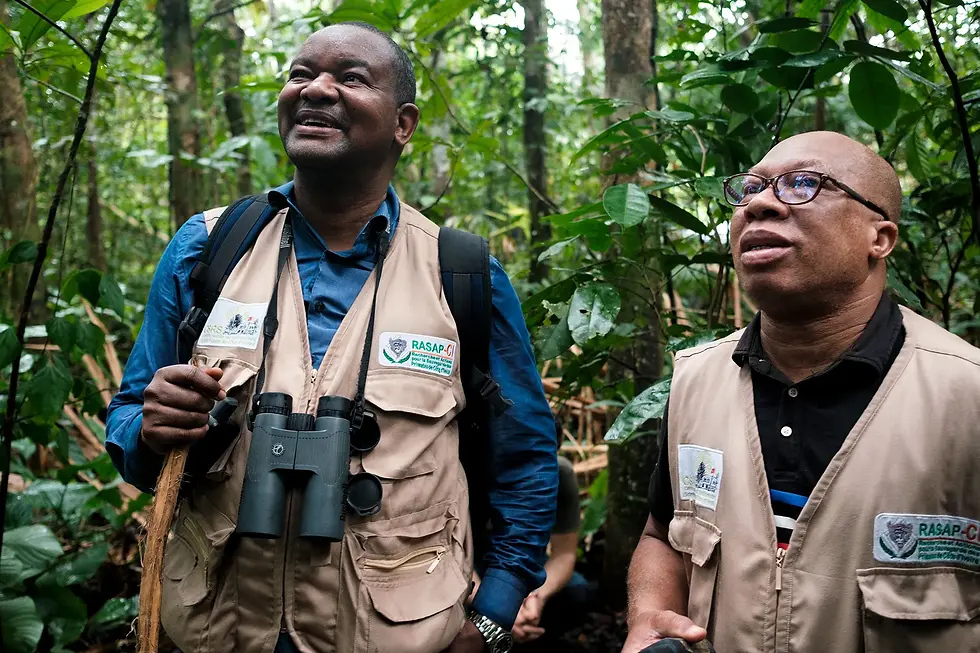
Evidence only matters if it reaches the people who can act on it, so we're building the Rights of Nature Toolkit, a resource for youth and scientists of all ages, in partnership with the National Geographic Society Education team and Within Global. The goal isn't just to document what the science shows. It's to make sure that knowledge gets communicated, translated, and applied by the people who will carry this movement forward.
Building the next generation.

Telling the story.
Data alone doesn't change minds. Working with the Impact Story Lab of the National Geographic Society, we produce short, targeted multimedia content designed to put the science in front of the decision-makers who can act on it, and to compel, empower, and inspire the next generation of Rights of Nature advocates.