

Law 371: Rights of Sea Turtles and Their Habitats
In 2023, Panama passed Law 371, a national law for the protection and conservation of sea turtles and their habitats. It was introduced in 2021 by legislator Gabriel Silva with the support of Callie Veelenturf through her sea turtle research with The Leatherback Project and forNature. The law builds on Panama’s national Rights of Nature framework and recognizes the inherent rights of sea turtles and their habitats.
This law is the first species-specific Rights of Nature law in the world. It recognizes that sea turtles are not wildlife to be managed or resources to be protected, but living beings with rights to exist, move, thrive, and fulfill their ecological roles in healthy marine and coastal ecosystems.
For forNature, Law 371 is a powerful example of how Rights of Nature can be applied to specific species and habitats, especially where scientific research, community relationships, and legal advocacy come together.
Why Sea Turtles
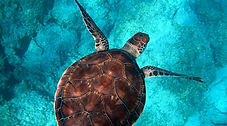
Sea turtles are ancient navigators of the ocean and vital members of marine ecosystems. They connect beaches, coral reefs, seagrass beds, coastal communities, and open ocean systems across vast distances. Five of the seven sea turtle species nest and migrate along Panama’s coast. Law 371 addresses harms caused by bycatch, coastal development, tourism, illegal trade, and climate change by requiring the State to adopt conservation measures and protect the needs and interests of sea turtles in the governance of coastal ecosystems.
Law 371 recognizes this interconnected reality by protecting sea turtles and their habitats through a rights-based framework.
What the Law Recognizes
Law 371 recognizes the inherent rights of sea turtles and their habitats. It affirms that sea turtles have the right to live and move through healthy environments free from pollution and harmful human impacts.
The law also includes measures to support conservation and protection, including obligations related to fisheries, tourism, habitat protection, and national planning.
Key elements of Law 371 include:
1
Recognition of the inherent rights of sea turtles and their habitats.
2
Protection from pollution and harmful human impacts.
3
Measures to reduce incidental capture in fisheries.
4
Regulation of tourism activities in sea turtle habitats.
5
Creation of a national committee for sea turtle conservation.
6
Identification and recommendation of protected areas.
7
Development of recurring national action plans.
8
A framework for defending sea turtles through law and policy.
From Law to Protection - The Saboga National Wildlife Refuge
Law 371 provides a legal basis for protecting sea turtles and their habitats, but its real impact depends on implementation. This includes ensuring that development, fishing, tourism, and coastal management decisions respect the rights and needs of sea turtles.
The creation of the Saboga National Wildlife Refuge is an example of how Panama can begin turning legal recognition into practical protection. The refuge helps safeguard critical habitat in the Pearl Islands Archipelago and demonstrates how Rights of Nature can guide conservation decisions.
Nearly one-third of Panama’s land and more than half of its ocean territory are under conservation, surpassing the international 30x30 target years ahead of schedule. These commitments not only safeguard biodiversity and climate resilience at home, but also set a precedent for countries everywhere seeking to scale up conservation and embed Rights of Nature into governance.
Panama is inspiring the world by demonstrating what ecocentric governance looks like in practice. By recognizing nature as a subject of rights, Panama has shifted governance toward an ecocentric model that aligns law with ecological reality.
Why Law 371 Matters Globally
Law 371 shows that Rights of Nature can be applied in concrete and practical ways. By recognizing the rights of sea turtles, Panama created a legal model that can inspire other countries to protect species and habitats through rights-based frameworks.
This law also helps expand public understanding of the Rights of Nature. It makes the idea tangible: sea turtles need clean waters, safe nesting beaches, healthy migration routes, and freedom from human-caused harm in order to survive and fulfill their ecological roles.
Press





.avif)
Partners and Collaborators
This work has been made possible through collaboration across government, civil society, science, law, communities, and conservation organizations.
forNature recognizes the many people and institutions who have contributed to advancing the Rights of Nature in Panama, including Panamanian government leaders, legislators, legal experts, conservation organizations, community partners, scientists, media partners, and advocates who helped move this work from vision to law and from law toward implementation.